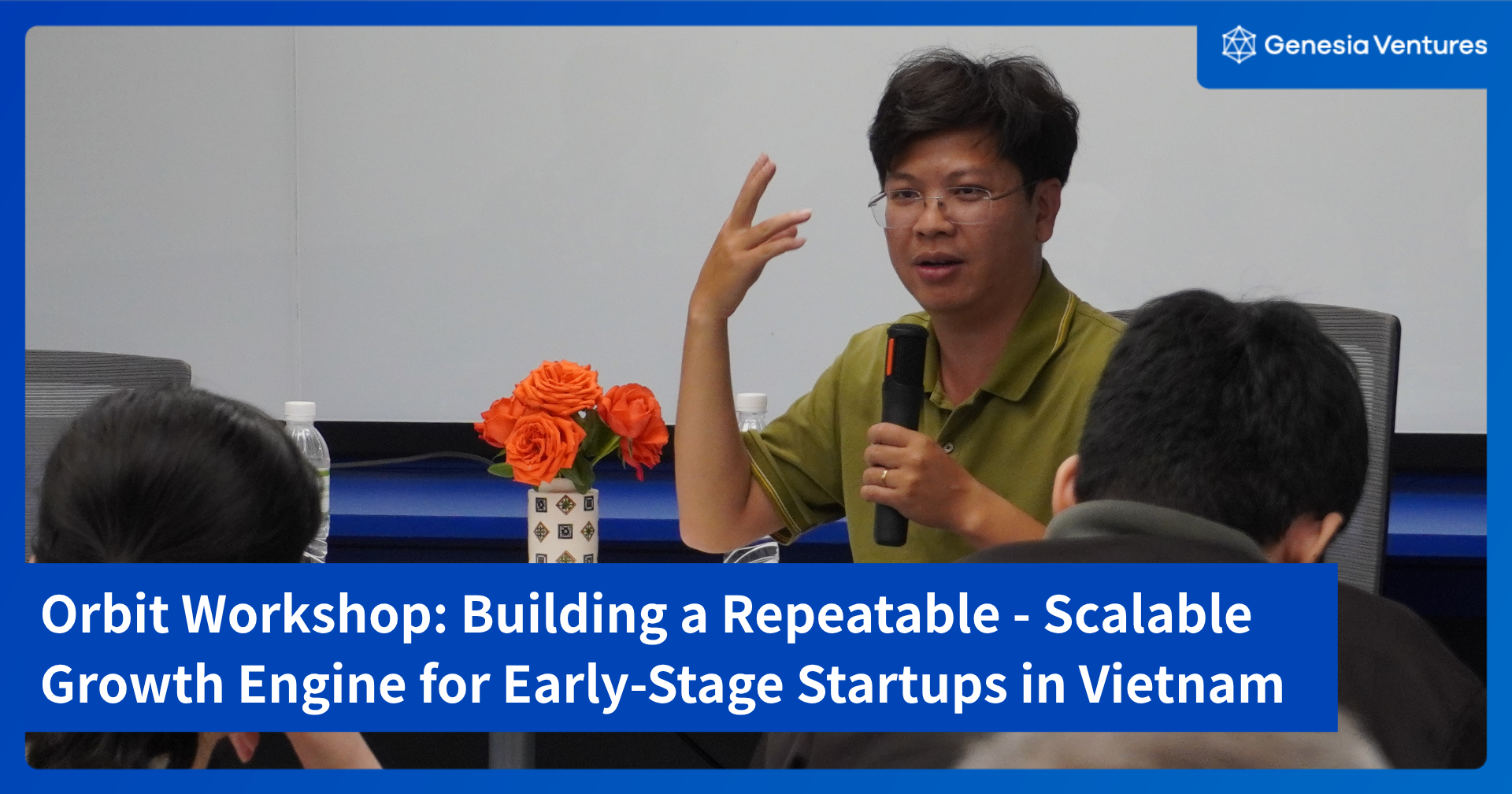
Orbit workshop: Building a Repeatable – Scalable Growth Engine for Early-Stage Startups in Vietnam
This report is part of our Orbit Workshop series, where we spotlight key lessons from founders in our network.
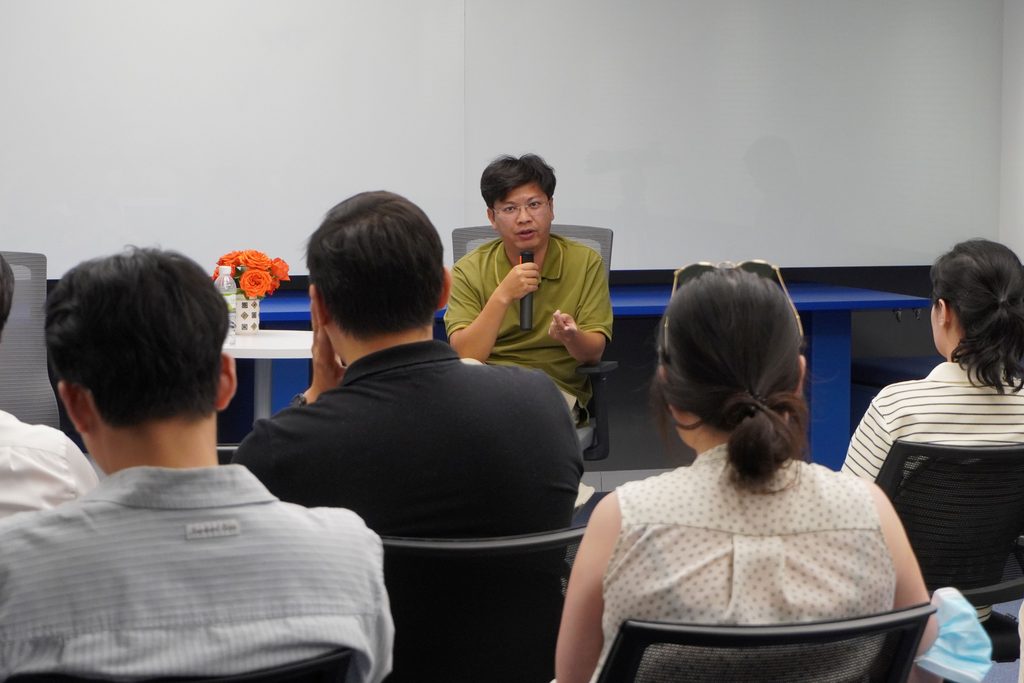
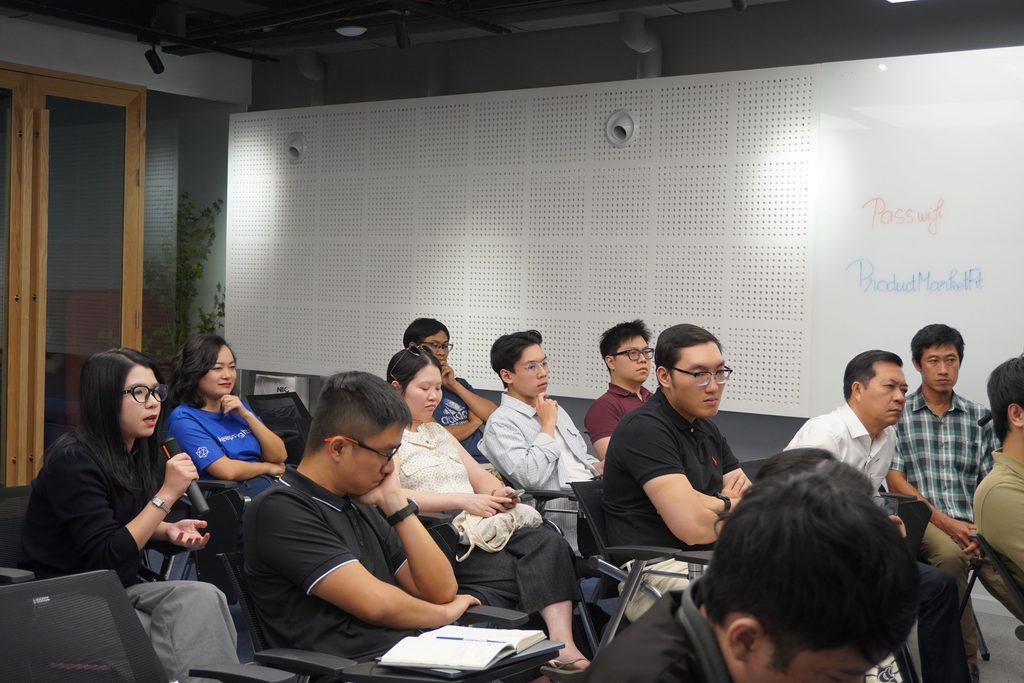
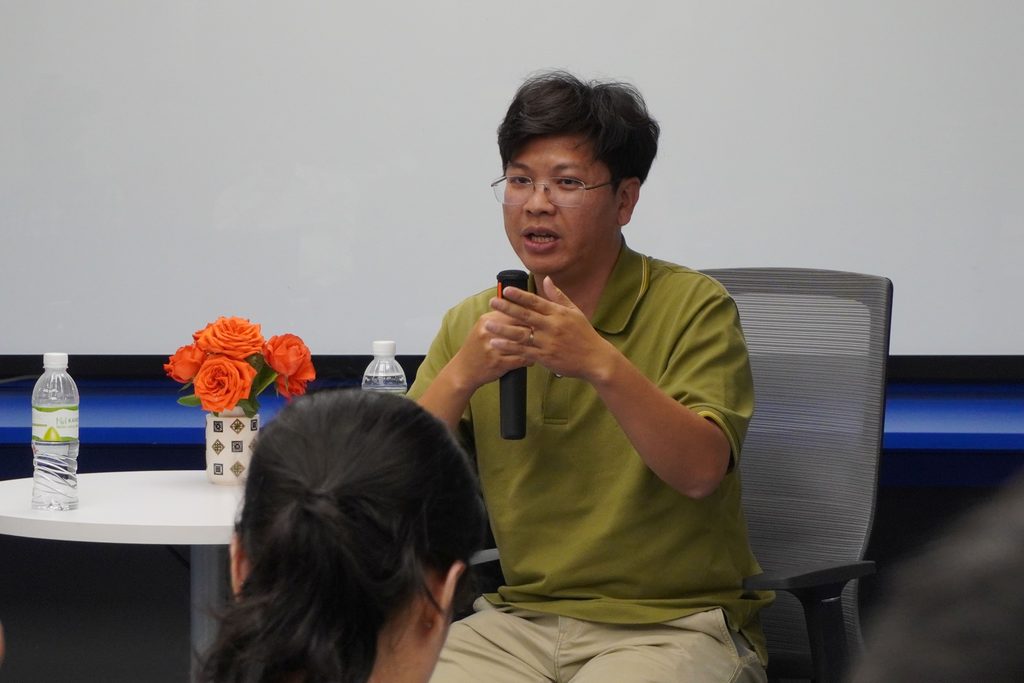
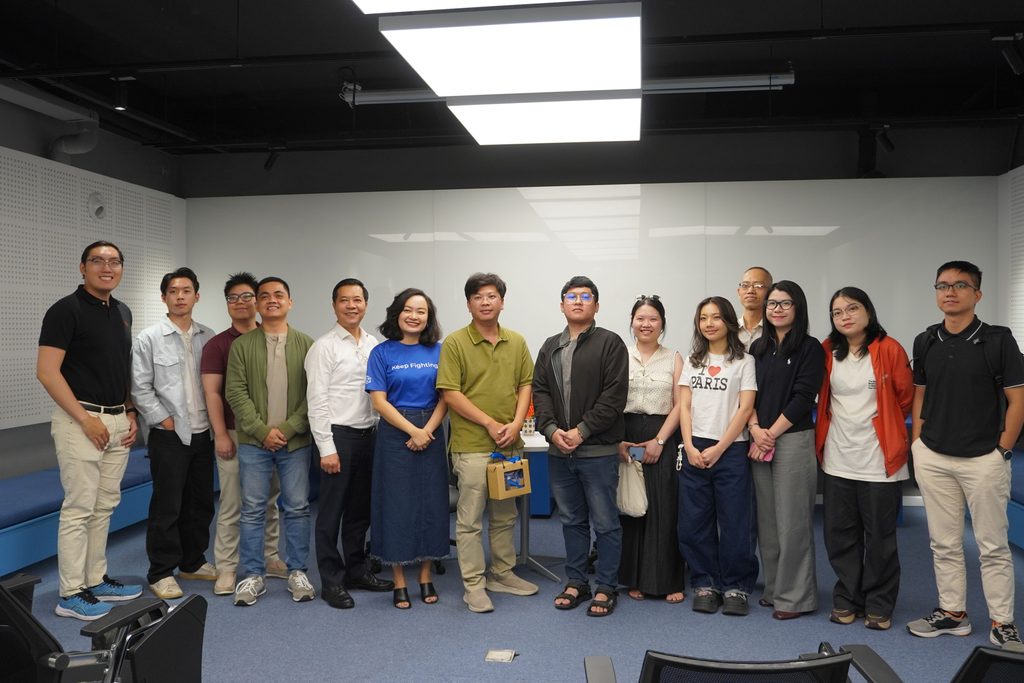
On March 27, 2026, we hosted Orbit Workshop: Navigate Growth through Crisis at Genesia Orbit HCMC, moderated by Hoang Thi Kim Dzung (Zun), Country Director of Genesia Ventures Vietnam, with guest speaker Duy Nguyen (Founder LIT)
The discussion explored how founders can navigate uncertainty, rebuild trust, and turn crises into opportunities for sustainable growth.
- Moderator: Hoang Thi Kim Dzung, Country Director of Vietnam, Genesia Ventures
- Editor: Vo Thanh Truc, Operation and Community Manager, Genesia Ventures
From Investor to Operator: The Mindset Shift
Zun: After years of working in VC and working closely with startups, what changed the most when you transitioned from being an investor to becoming a founder and operator?
Duy: When you work in VC, you often look at numbers and ask founders why the business is growing or not growing. But when you become an operator, you start to understand what is actually behind those numbers. As a founder, you have to get your hands dirty and deal with everything from operations and sales to the smallest problems every day.
Your mindset also changes completely. You no longer care whether people see you as a Partner or a Founder. You care about one thing: how to make the company survive and succeed.
Survival Before Growth
Zun: What was the biggest lesson you learned when you first started operating a business?
Duy: At first, I made the same mistake many founders make: focusing too much on topline and trying to grow as fast as possible. But the faster we grew, the more money we lost.
I eventually realized that a startup needs to survive before it can scale. The company needs to stay alive, manage its cash flow, and understand how far it can go with its available resources.
From there, I started focusing on finding the factors that could drive sustainable growth instead of simply chasing revenue.
Find the Signal Before You Scale
Zun: When resources are always limited in a startup, what do you focus on first?
Duy: The most important thing is to use limited resources to find the signals that show whether the business can grow sustainably.
With Dr. Pong, we had to understand what products Vietnamese consumers liked, what type of content worked, which channels could generate revenue, and which ones could actually scale.
Once we found a product or formula showing strong potential, we concentrated our resources there instead of spreading them too thin.
Choose Your Battlefield
Zun: How did you identify the opportunity for Dr. Pong in Vietnam?
Duy: Instead of simply bringing the successful formula from Thailand to Vietnam, we had to research the market again because consumer behavior is very different.
I realized that directly competing with global brands would be extremely difficult for a startup. So we looked for a niche where Dr. Pong had a natural advantage.
We eventually focused on the acne-care segment, where there was strong potential and no single major player completely dominated the market.
Once we saw strong signals, we went all-in on that product. It eventually became the No. 1 product on Shopee.
One Winning Product Is Not Enough
Zun: Once you find a winning product, how do you sustain growth?
Duy: One product can help you win at a certain point in time, but you cannot depend on it forever. Once a product becomes successful, competitors will notice and start investing in the same space.
So I don’t try to defend one SKU at all costs. When a product becomes less effective, we can pull resources away and move them to another opportunity.
Today, we have multiple SKUs with different roles. Some are hero products, some help us build the customer base, and some are no longer receiving additional investment.
The goal is to build a broad enough portfolio so that we always have new growth opportunities.

Data Turns Trial & Error into a System
Zun: How do you use data to find the right growth formula?
Duy: Data is extremely important, but what matters even more is how you design your experiments.
You cannot see that one livestreamer generates more sales and immediately conclude that they are better. You need to look at the timing, budget, products, traffic, and other variables that may affect the result.
The team constantly tests, removes noise, and identifies the factors that are actually driving performance.
Once we find a formula that works, we start scaling it.
Growth Quality Matters
Zun: When you see a startup growing very quickly, what do you look at beyond topline?
Duy: I look at the quality of growth.
Where is the revenue coming from? How much comes from new customers versus returning customers? What is the customer acquisition cost? Are customers actually retaining?
A business can grow very quickly through discounts and aggressive marketing. But if revenue drops significantly when those activities stop, then the growth model may not be sustainable.
So it’s not enough to ask how fast revenue is growing. You need to understand why it is growing and whether that growth can last.
Product Brings Customers Back
Zun: In your view, which is more important: Marketing-led Growth or Product-led Growth?
Duy: Both are important.
Marketing brings customers in. But the product determines whether they come back.
If a business can only grow by continuously increasing advertising spend, discounts, and promotions, then growth will disappear when those activities stop.
Marketing can generate traffic and sales, but a strong product creates retention and repeat purchases.
Watch Out for Cannibalization
Zun: When a campaign or channel generates significant revenue, do you consider that real growth?
Duy: Not necessarily.
A livestream, for example, may generate billions of VND in sales, but some of that revenue may have simply shifted from other channels. Customers who would have purchased elsewhere are now buying through the livestream because of discounts or promotions.
So we need to look at revenue before, during, and after the campaign to understand the actual incremental revenue.
A channel growing does not necessarily mean the overall business is growing by the same amount.

Founders Should Lead Growth First
Zun: Should founders hire a Head of Growth from the very beginning?
Duy: In the early stages, I believe founders should be directly involved in Growth.
I personally worked on data, Excel, operations, marketing, and testing. Founders need to understand how the business works, how customers behave, and where growth is actually coming from.
If a founder does not understand the business deeply and delegates Growth too early, it becomes difficult to know whether the team is doing the right things.
Founders should lead Growth until they truly understand their Product–Market Fit. After that, they can build a team and empower others to scale.
From Finding Growth to Scaling Growth
Zun: When can a founder step away from directly managing Growth?
Duy: Once the founder truly understands the product, the market, and the growth formula, they can build a trusted person or team to take over the execution.
Founders don’t have to do everything forever. But they need to understand the business deeply enough to identify opportunities, recognize problems, and know where resources should be allocated.
Ultimately, the founder’s role is to spend their time on the most important problems that can move the company forward.

Conclusion – From Finding Growth to Building a Repeatable Engine
Duy Nguyen’s journey illustrates a powerful truth: sustainable growth is not built on speed alone, but on the ability to identify the right signals, learn from data, and continuously adapt. By combining a founder’s hands-on mindset with an investor’s strategic perspective, startups can turn experimentation into repeatable growth engines and build businesses that are resilient, scalable, and sustainable. This embodies the core mission of Orbit Workshop—empowering founders to navigate challenges, unlock growth opportunities, and build the systems needed to scale with confidence.
Note: This report reflects information as of March 27, 2026.