Orbit Workshop: Legal Mindset for Growth: What Startups Must Get Right in 2026
This report is part of our Orbit Workshop series, spotlighting key insights from leading investors and operators across our network.
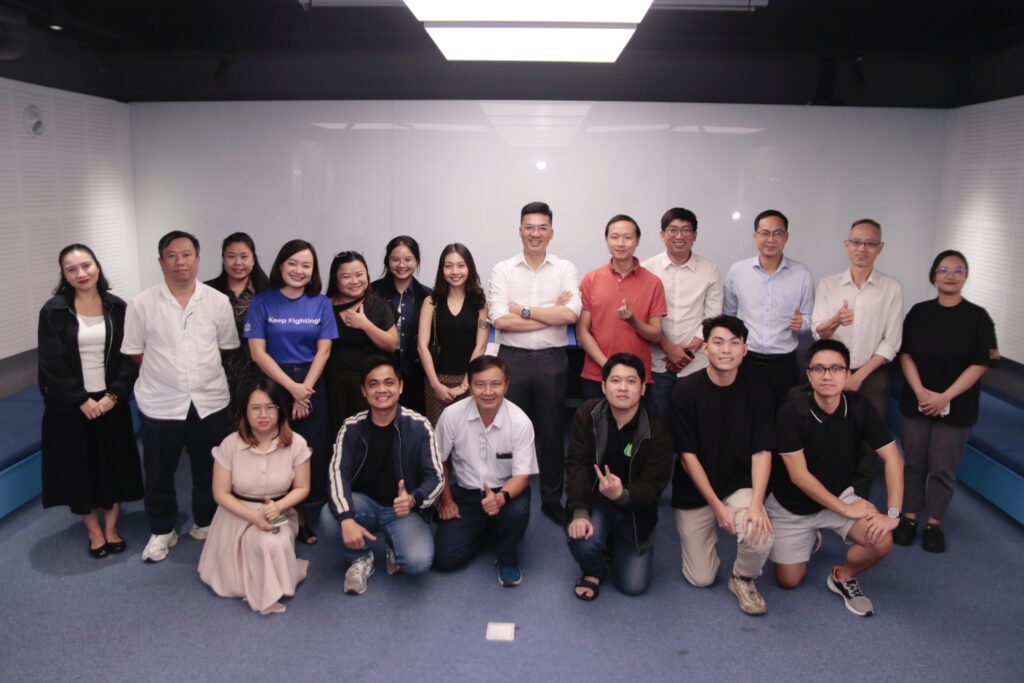
On 31 January, 2026, Genesia Orbit HCMC hosted the workshop “Legal Mindset for Growth 2026: What Startups Must Get Right in 2026.” The session was moderated by Hoang Thi Kim Dzung (Zun), Country Director of Genesia Ventures Vietnam, and featured guest speaker Doanh Nguyen, Tech Startup & Fundraising Lawyer and Founder of StartupLAW.
The workshop gave founders practical legal insights for navigating the evolving regulatory landscape in 2026. Instead of focusing on legal theory, the session showed how legal readiness enables sustainable growth, investor trust, and fundraising success.
- Moderator: Hoang Thi Kim Dzung, Country Director of Vietnam, Genesia Ventures
- Editor: Vo Thanh Truc, Operation and Community Manager, Genesia Ventures
Legal Foundations Should Start from Day One
Zun: Many founders believe legal matters only become important when they start fundraising or when investors ask for due diligence documents. From your perspective, when should startups actually begin building their legal foundation?
Doanh: In my experience, legal foundations should be established from day one — even before the first investment conversation happens. The moment founders decide to build something sustainable and scalable, they need to think seriously about company structure, equity allocation, governance, and intellectual property ownership.
In Vietnam, many startups move quickly during the early stage, focusing heavily on product development and market traction. While speed is important, skipping proper legal setup can create hidden risks. For example, without a clear shareholders’ agreement or properly documented capital contribution, misunderstandings among co-founders can arise later. Similarly, if intellectual property is not legally assigned to the company from the beginning, it may create major complications during fundraising.
Investors pay close attention to these foundational elements during due diligence. If the structure is unclear or documentation is incomplete, it can delay or even derail an investment deal. Therefore, building a solid legal foundation early is not just about compliance — it is about protecting the company’s future growth and ensuring smoother fundraising processes.

The Most Common Legal Mistakes Vietnamese Startups Make
Zun: Based on your experience working closely with startups in Vietnam, what are the most common legal mistakes founders tend to make in the early stage?

Doanh: One of the most frequent mistakes is unclear equity allocation among co-founders. Many founders rely on trust and informal discussions without drafting proper agreements. While this works in the beginning, conflicts often emerge when the company grows, raises funding, or faces difficult decisions. Without written agreements covering vesting schedules, roles, responsibilities, and exit terms, disputes can become very complex.
Another common issue is intellectual property ownership. In tech startups, developers or external contractors may contribute significantly to building the product. However, if there is no formal contract clearly transferring IP rights to the company, ownership can become ambiguous. This is a red flag for investors.
Additionally, startups sometimes overlook industry-specific regulations. For example, fintech, edtech, and healthtech sectors in Vietnam are subject to evolving regulatory frameworks. Founders who fail to proactively assess compliance risks may face operational disruptions later.
These mistakes are often not intentional — they stem from limited awareness or the desire to move fast. However, addressing them early can save significant time, cost, and stress in the future.

Legal Readiness as a Strategic Advantage in Fundraising
Zun: Many founders see legal expenses as a cost center rather than an investment. In your view, can legal preparedness actually become a competitive advantage?
Doanh: Definitely. Legal readiness should be seen as an investment in credibility and efficiency. When a startup has a clean cap table, properly structured shareholder agreements, well-drafted employment contracts, and clearly assigned intellectual property, it sends a strong signal of professionalism to investors.
In competitive fundraising environments, investors evaluate not only the product and traction but also the quality of governance. A well-prepared company can move through due diligence much faster, reducing friction in negotiations. This often leads to smoother deal execution and better bargaining power.
Moreover, strong internal governance improves decision-making within the company. Clear documentation helps prevent misunderstandings among founders and ensures alignment in times of crisis. In this sense, legal preparedness supports both external fundraising success and internal organizational stability.
Ultimately, startups that integrate legal thinking into their operations are better positioned for sustainable growth.

Building Long-Term Organizations in an Evolving Market
Zun: As we move into 2026 and beyond, what kind of legal mindset should founders adopt if they aim to build long-term, resilient organizations rather than short-term growth?
Doanh: Founders need to shift from a short-term, transaction-focused mindset to a long-term, institution-building mindset. This means thinking beyond the next funding round and focusing on governance, compliance, and risk management as integral parts of strategy.

For example, establishing clear internal policies, maintaining transparent financial records, ensuring regulatory compliance, and protecting intellectual property are not administrative burdens — they are strategic safeguards. As startups expand regionally or globally, cross-border legal considerations become even more complex. Being prepared early allows founders to scale with confidence.
Furthermore, in an environment where mergers, acquisitions, and strategic partnerships are increasingly common, strong legal foundations significantly increase a company’s valuation and attractiveness. Investors and acquirers look for companies that are not only innovative but also structurally sound.
In short, legal thinking should evolve alongside business strategy. Startups that treat legal structure as part of their core growth strategy — rather than as an afterthought — are far more likely to build enduring organizations.
Note: This report reflects information as of March 6, 2026.