Beyond Fundraising: How funds and banks together can power startup growth?
This report is part of our Orbit Workshop series, spotlighting key insights from leading investors and operators across our network.
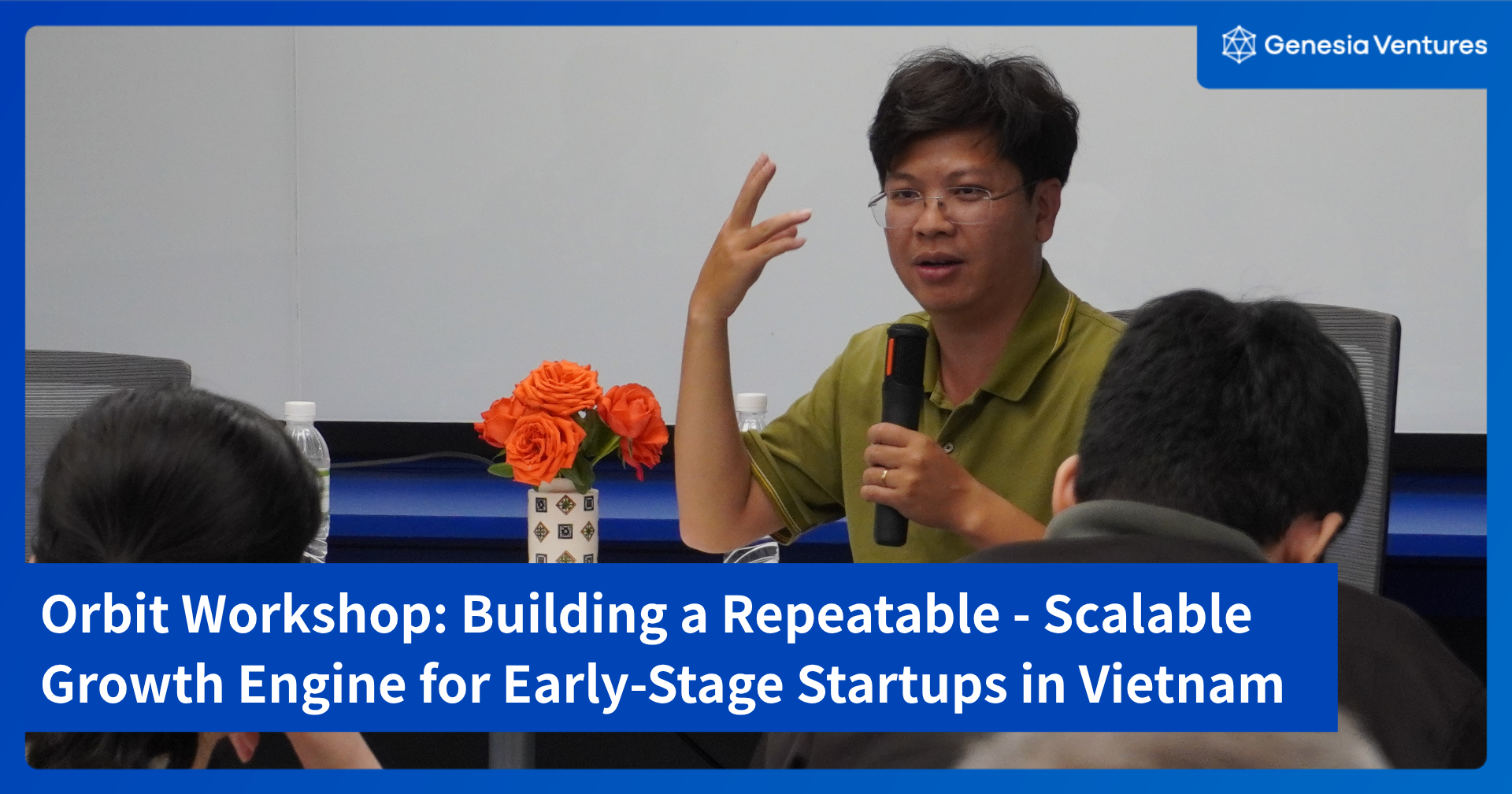
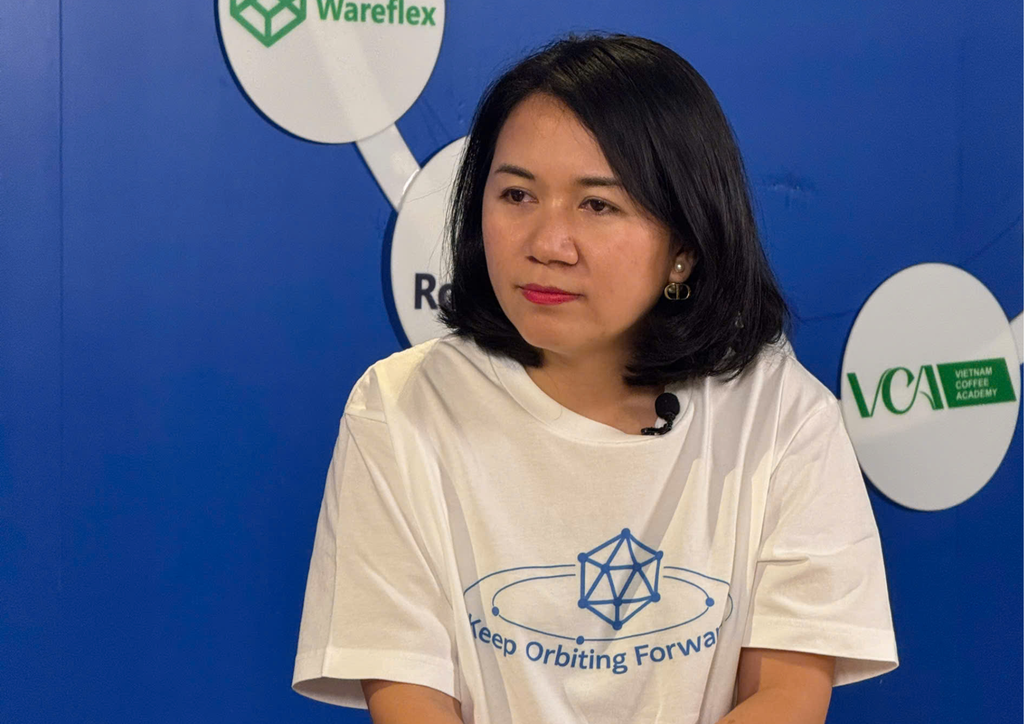
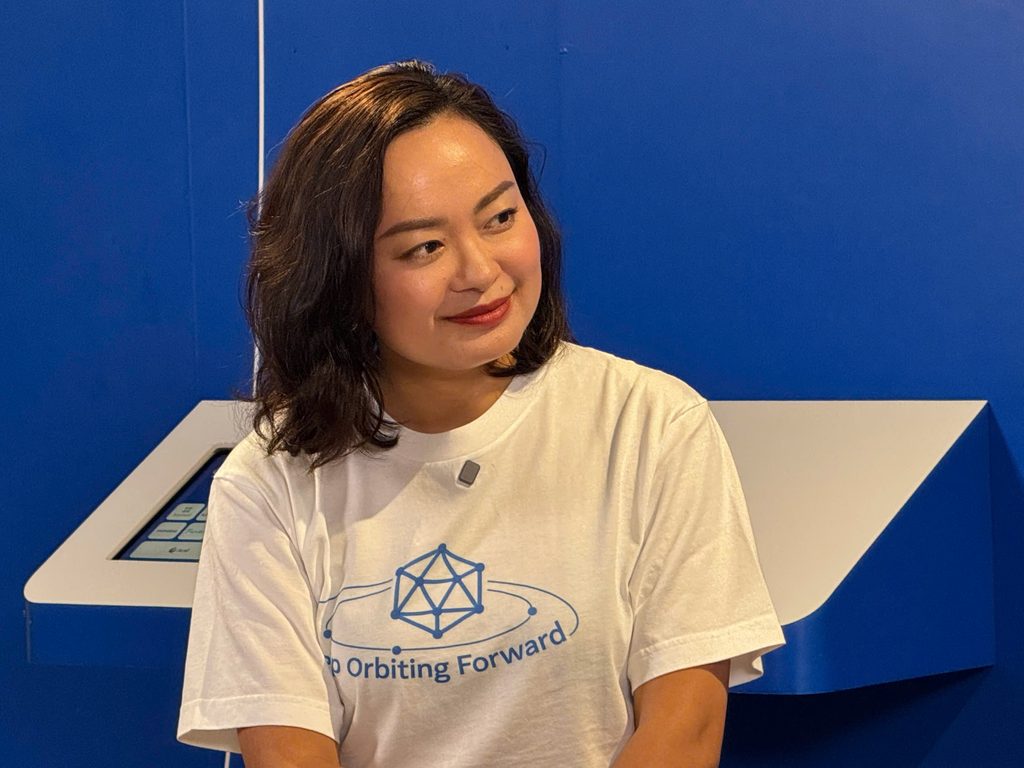
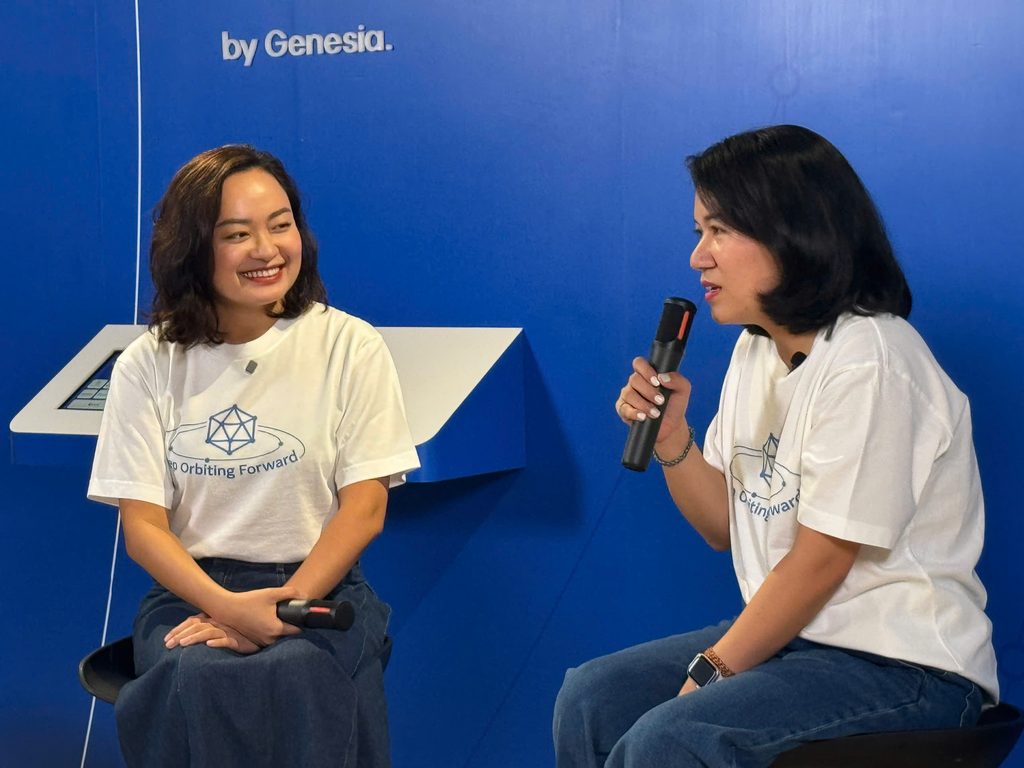
On 31 July, 2026, Genesia Orbit HCMC hosted the workshop “Beyond Fundraising: How funds and banks together can power startup growth?” The session was moderated by Hoang Thi Kim Dzung (Zun), Country Director of Genesia Ventures Vietnam, and featured guest speaker Ms. Tran Bao Ngoc – Senior Manager, Aozora Bank, Head of Strategic Alliances Department, OCB.
The workshop gave founders a clearer understanding of how venture capital and banking solutions can work together beyond funding — from strategic advice and financial management to networks and resources that support sustainable growth. It also highlighted how startups can better prepare to meet the expectations of both investors and banks at different stages of their journey.
- Moderator: Hoang Thi Kim Dzung, Country Director of Vietnam, Genesia Ventures
- Editor: Vo Thanh Truc, Operation and Community Manager, Genesia Ventures
Capital Has More Than One Door
Zun: When we talk about “capital,” startup founders often think first about raising equity. But I think we need to broaden the way startups think about accessing capital. At Genesia, we want to be a growth platform that connects startups with financial institutions such as Aozora and OCB, giving founders more options beyond equity financing.
After more than a year and a half, over 30 startups have accessed financing through this initiative, but I still feel this is a topic we haven’t explored deeply enough.
Ngoc: That’s true. In Vietnam, people often think that getting a bank loan means having to provide collateral. That mindset isn’t wrong — it’s just a little outdated.
As business models evolve, banks also need to evolve. The market is gradually moving from collateral lending toward cash-flow lending — looking at the business model and its ability to generate cash flow and repay debt.
Can Startups Borrow Before Becoming Profitable?
Zun: So does that mean a startup can access financing even if it isn’t profitable yet, as long as it is growing, generating cash flow, and can demonstrate its ability to repay both principal and interest?
Ngoc: Exactly. OCB can provide financing to startups without necessarily requiring profitability or collateral.
There was one case where a startup was still loss-making, but the founder was able to demonstrate that they had secured their first contract with a major customer, followed by a second contract. OCB assessed the viability of the business and the credibility of the customer, and decided to provide financing.
The loan was equivalent to nine times the startup’s equity, and the company continues to grow well today.

Growing Revenue, But Still Running Out of Cash?
Zun: A very common challenge is that startups can have growing revenue but still face cash shortages. Large customers may pay after one to three months, while startups have to pay suppliers much earlier. How does this affect the way a bank evaluates a startup?
Ngoc: Some businesses see their revenue grow while the cash they have on hand actually decreases because the money is tied up in accounts receivable or inventory.
For example, a large customer may pay after two to six months, while the startup needs to pay its suppliers immediately. This is where debt can play an important role in providing working capital.
If revenue is relatively stable, there is a clear growth opportunity, but the company is temporarily short on cash, the startup can proactively approach a bank.
OCB will look at whether the revenue is stable, why the company needs additional cash, and whether the growth plan is realistic.
Don’t Wait Until You Need Capital to Knock on the Door
Zun: “Listen, and move from listening to understanding.” Once both sides understand each other, they can find the right solution together.
Just like with a venture capital fund, founders shouldn’t wait until they urgently need capital to prepare a pitch deck and start knocking on doors. Accessing capital is a process of building relationships and understanding each other well in advance.
Ngoc: Exactly. With banks, it’s important to build the relationship as early as possible.
When approaching a bank, there are three important things:
- Explain your business model simply and clearly.
- Demonstrate that your business plan is viable.
- Most importantly, explain how you will repay the bank.
Venture capital investors often focus more on upside and potential, while banks tend to focus more on risk and the company’s ability to repay.
Equity or Debt? It’s About Timing
Zun: When structuring capital, startups need to continuously think about how to leverage their capital for the next milestone. Equity isn’t always the only option.
Ngoc: There are two important types of capital: equity and debt. Which one makes sense depends on the business model, industry, and especially the timing.
In a high-interest-rate environment, founders need to compare the cost of debt with the cost of equity dilution. Debt may cost 10–12%, which can sound expensive, but it can still be one of the more cost-effective forms of capital compared with giving up a portion of the company.
The key is to understand: What do I need the capital for? When do I need it? And what comes next once I have it?
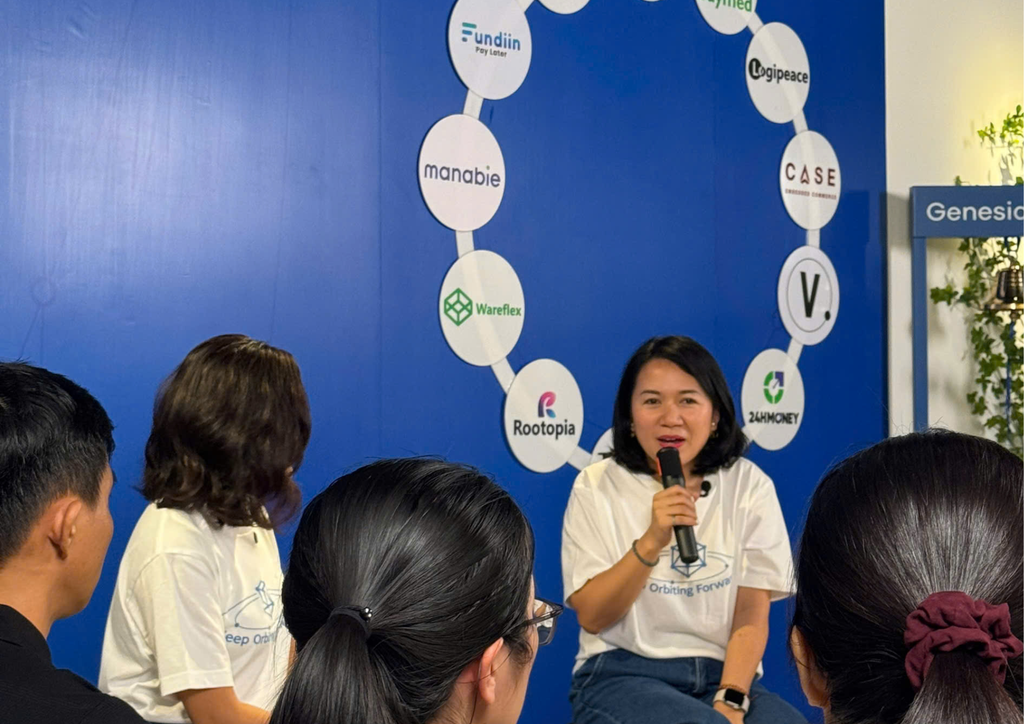
From Credit Relationship to Growth Partner
Zun: After working with OCB, I’ve come to appreciate business models that generate strong cash flow even more. And I believe the credit relationship between a bank and a startup should only be the starting point.
The bigger goal is to become growth partners and explore more ways to support startups as they scale.
Ngoc: OCB also wants to become a growth partner — growing alongside businesses rather than simply being a lender.
A startup may need debt at a stage when it doesn’t want to dilute its equity. At another stage, when it wants to accelerate growth, venture capital or other investors may come in.
There is no one-size-fits-all framework for every startup. What matters is staying flexible, understanding what you need, and knowing what you are willing to trade off.
Some deals may only be worth a few billion VND, yet the OCB team can still spend 45–60 minutes discussing them in the credit committee to advocate for a promising startup. Because sometimes, what matters isn’t the size of the loan, but whether we are willing to support a business from its earliest stages.
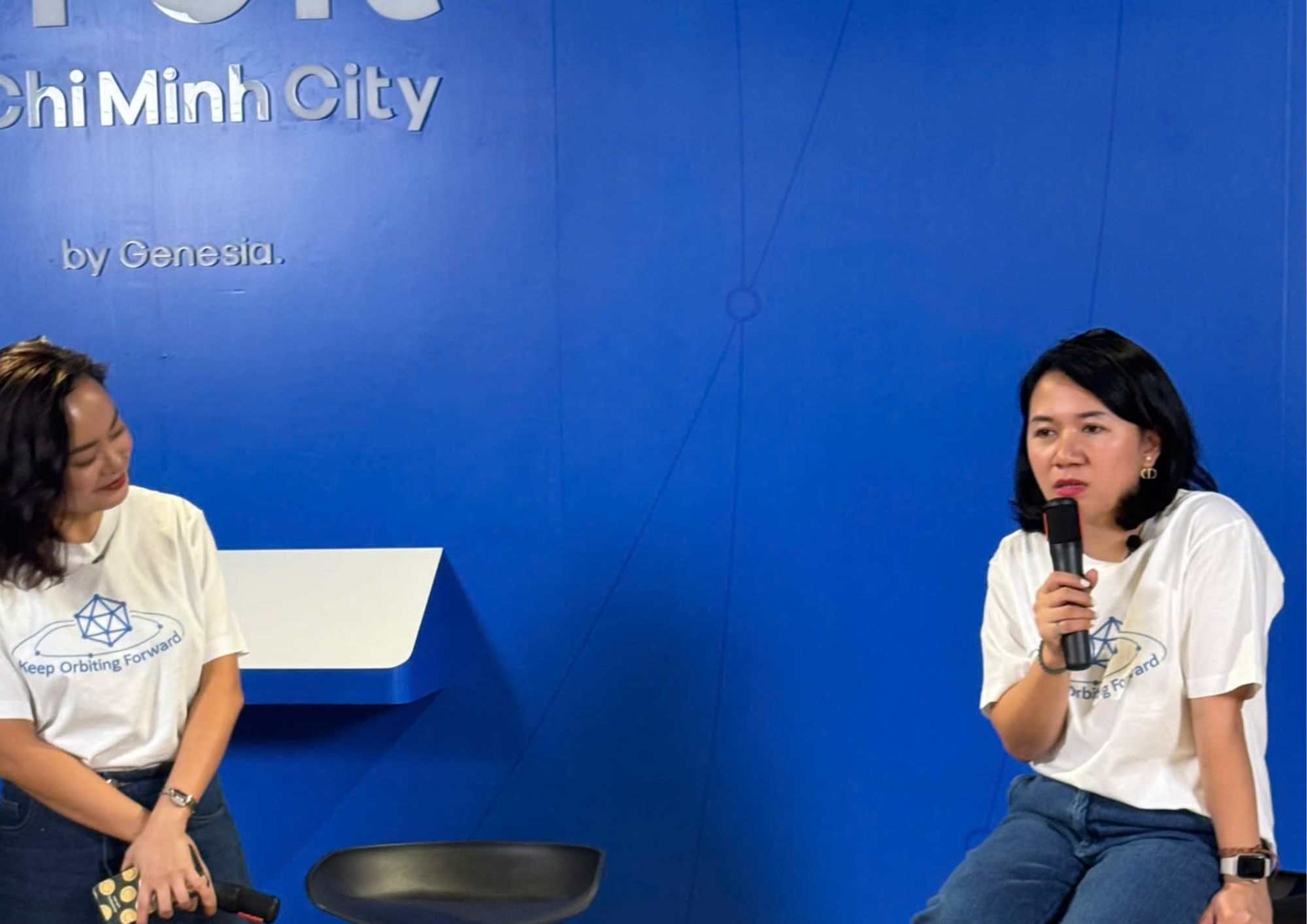
Keep Fighting. Keep Orbiting Forward.
Zun: After two years of working together, with more than 30 startups having accessed loans and credit solutions from OCB, I’ve really come to appreciate the team’s “keep fighting” spirit.
But I hope the next step is not only to keep fighting, but also to keep orbiting forward — continuing to expand and evolve so that more startups can access the capital they need, while OCB can become a true growth partner throughout their journey.
Thank you to Ngọc and the OCB team for working with Genesia to open another door to capital for startups.
In short, the discussion explored the different ways startups can access and structure capital as they grow. From cash-flow lending and working capital to the balance between debt and equity, Ngọc shared practical perspectives on what banks look for, how founders can prepare, and why building relationships early matters. The conversation also highlighted the potential for banks and investors to work together beyond funding, supporting startups as long-term growth partners.
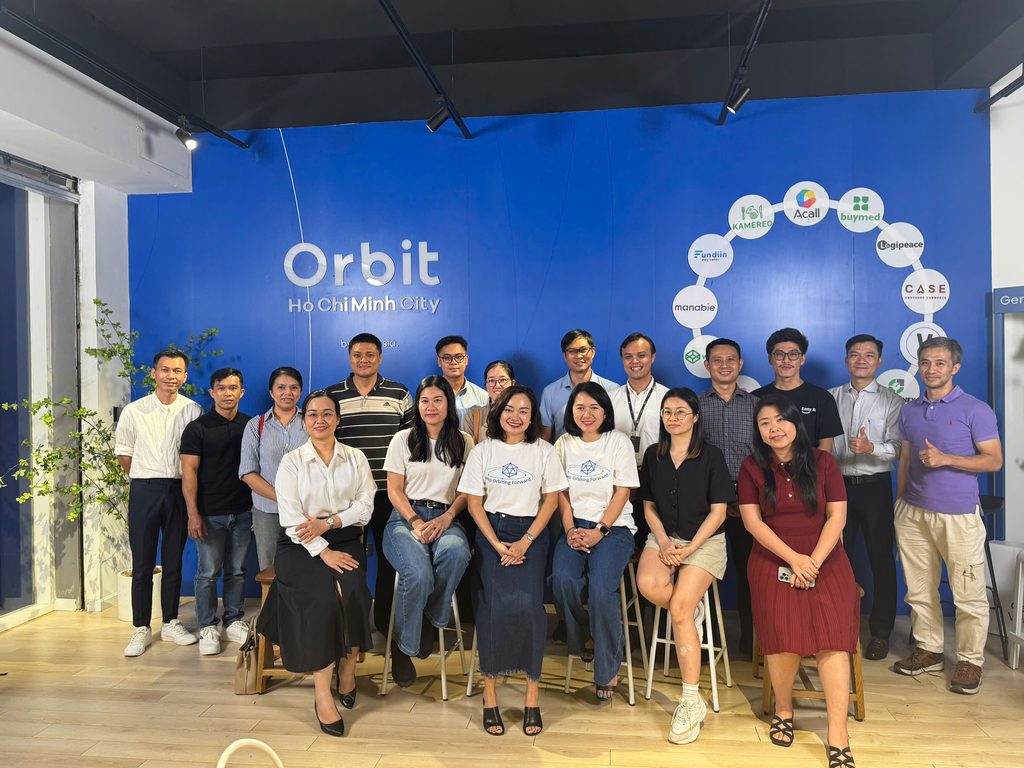
Note: This report reflects information as of July 31, 2026.