Core Values Supporting KAMEREO’s Sustainable Business and Organizations
This report is part of our Orbit Workshop series, spotlighting key insights from leading investors and operators across our network.
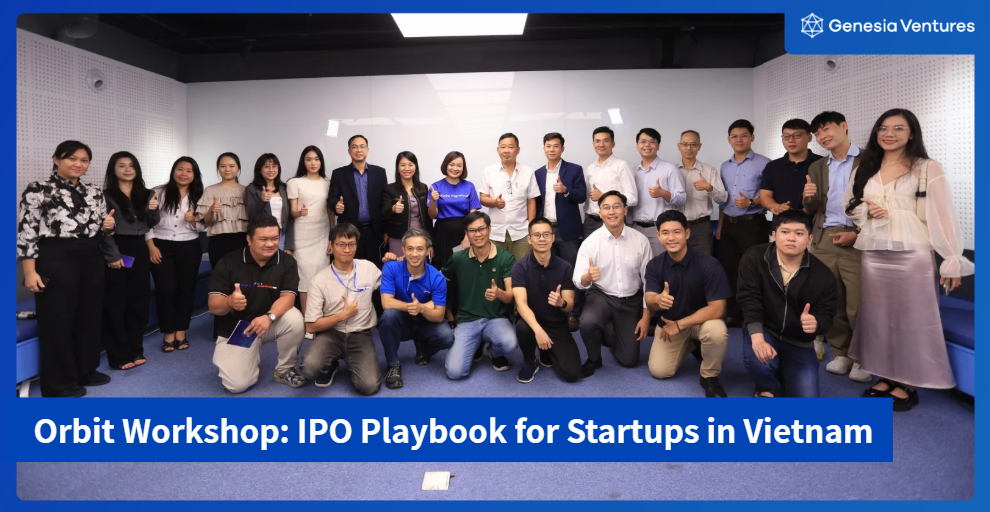
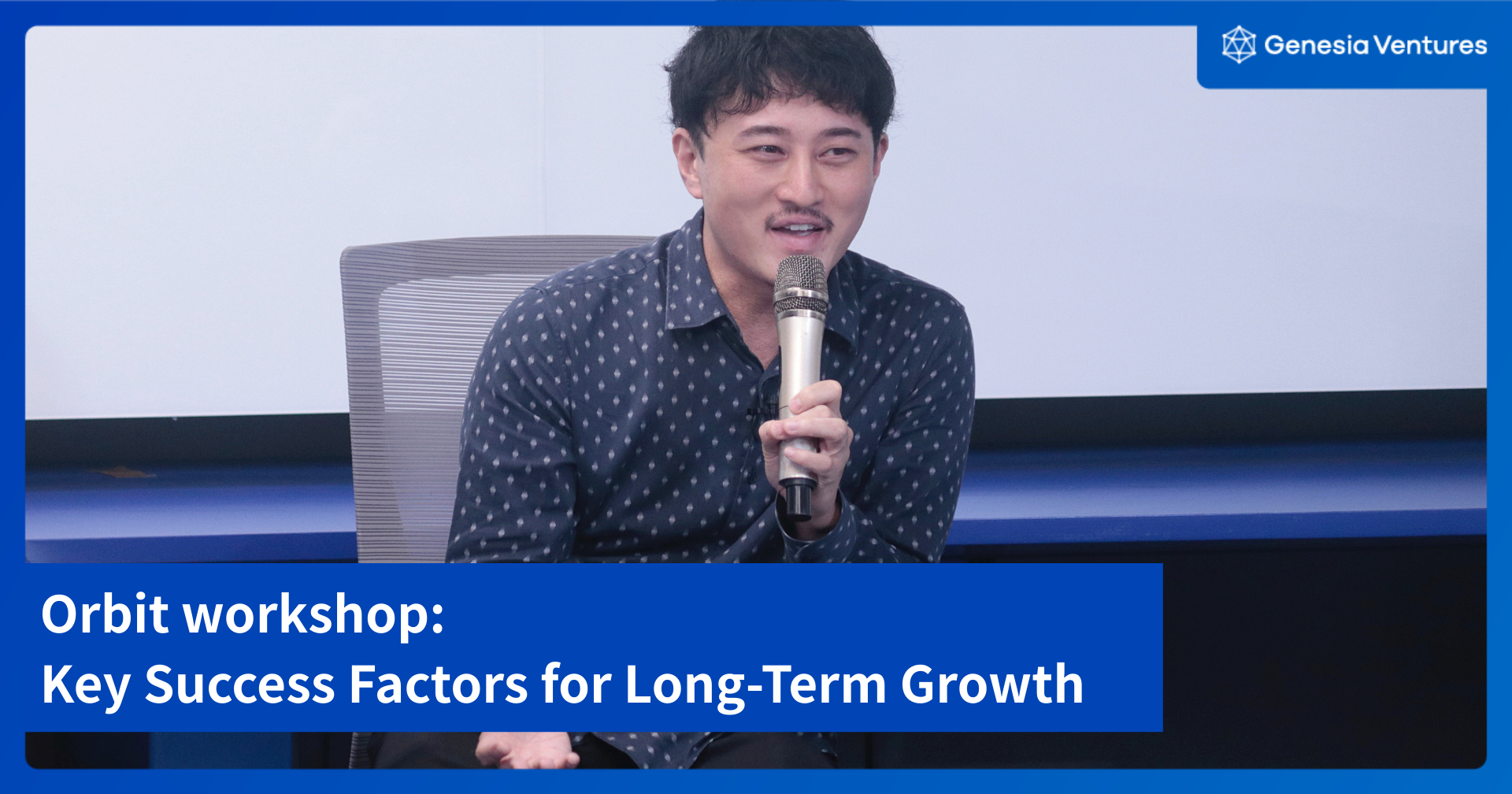
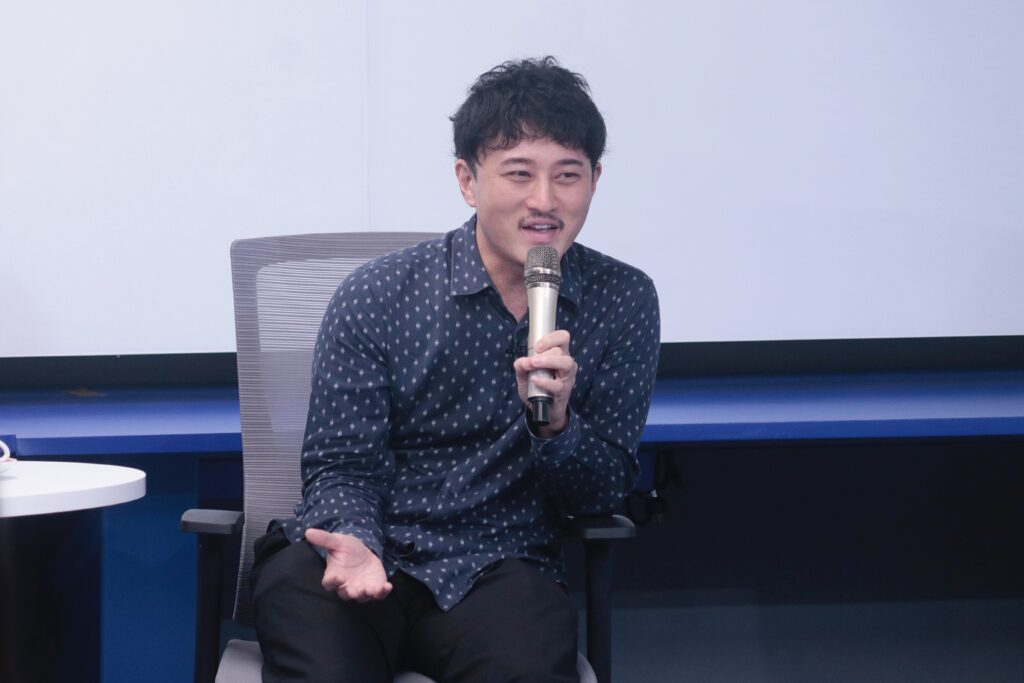
On November 28, 2025, we hosted Orbit Workshop: Key Success Factors for Long-Term Growth: Building Strong Organizations for Startups in Vietnam. The session was moderated by Hoang Thi Kim Dzung (Zun), Country Director of Genesia Ventures Vietnam, and featured guest speakers Taku Tanaka (Founder & CEO, KAMEREO) and Quang Pham (Investment Committee, ABB Private Equity).
Founders gained practical insights on building organizations that can grow sustainably. The discussion emphasized leadership discipline, governance systems, team culture, trust, and long-term alignment between founders and investors.
- Moderator: Hoang Thi Kim Dzung, Country Director of Vietnam, Genesia Ventures
- Editor: Vo Thanh Truc, Operation and Community Manager, Genesia Ventures
Building a business that outlives its founder requires a fundamentally long-term commitment from day one.
Zun: Thank you so much, Taku. Kamereo is one of our portfolio companies that we are deeply proud of in Vietnam. We first invested in Kamereo in early 2019, and over the past half decade, we’ve had the privilege of walking alongside your journey—watching Kamereo grow into a leading player in Vietnam’s food supply chain and beyond.
Earlier today, I shared that your personal statement—wanting to build a business that lasts longer than yourself—was the inspiration for framing this workshop around building sustainable organizations. I’m very curious: why do you have such a strong long-term commitment, and how has this mindset shaped your decisions as a leader at Kamereo?
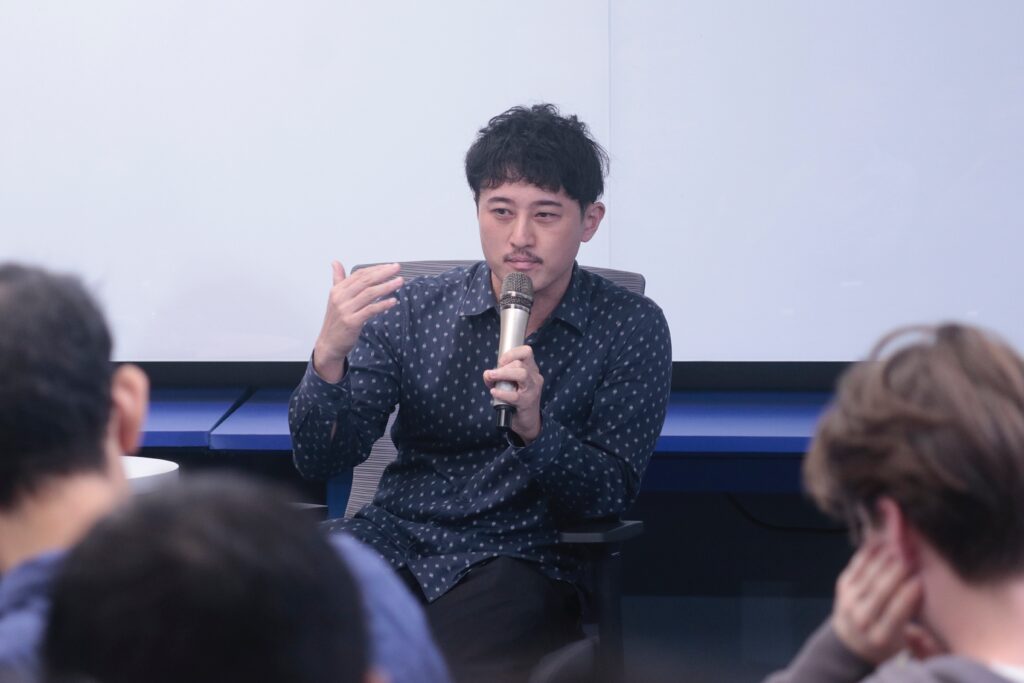
Taku: To be honest, I believe business must always be long-term—especially in Vietnam. When you do business here, you’re essentially betting on the future of the market. Compared to Japan or the U.S., Vietnam is still small today, but its growth potential is enormous.
We entered the market early, before many competitors arrived, because we believed that as the market grows, we can grow alongside it. Unfortunately, I see many businesses thinking very short-term—they aim to make quick money, and after five years, they disappear. That’s not success by my definition.
For me, a successful business must grow sustainably—not only in revenue, but also in margins, cash flow, discipline, and legal compliance. These fundamentals may sound basic, but they are what allow a company to survive and thrive in the long run.
Long-term thinking must be translated into disciplined, everyday decisions—not just a vision statement.
Zun: You mentioned fundamentals like cash flow, discipline, and legal structure—things that are easy to say but hard to execute consistently. How does this long-term mindset actually influence your day-to-day decision-making as a founder?
Taku: If you want to think long-term, you must accept that profitability is unavoidable at some point. You cannot keep raising money forever. It’s okay not to make money in the early years, but you must have a very clear path toward profitability—otherwise, the company will eventually die.
To achieve that, we need to build a strong moat. You have to ask yourself: what truly differentiates you from competitors? Price alone is never enough—it’s easy to copy and leads to short-term thinking.
▼Related Article: Beyond Price Competition: KAMEREO’s Growth Strategy in Vietnam’s B2B Market
At Kamereo, we are very intentional about asking this question from the very beginning—not only at the founder level, but across the management team. Every important decision should strengthen the moat we are building.
A defensible moat is built through value creation, not price competition.
Zun: You described moat-building as a shared thinking exercise across the organization. Could you go deeper into what kind of moat Kamereo is intentionally building in Vietnam?
Taku: One of our core strategies is building a one-stop supply chain. While some customers focus on price, many of our larger customers—restaurants buying hundreds of SKUs—care far more about reliability and convenience. They want one trusted partner who can deliver everything consistently.
This allows us to avoid pure price competition and instead focus on long-term customer retention. Another key moat is operational quality: on-time delivery, high fulfillment rates, and full supply chain control.
Because these strengths are hard to explain before customers experience them, we invite customers to visit our farms and warehouses. Once they see it, they immediately understand how different we are. We are proud of the supply chain we’ve built—and we will keep investing to stay ahead of the market.
Scaling requires founders to let go of control—without letting go of responsibility.
Zun: You’re known as a very hands-on, detail-oriented founder, especially in Kamereo’s early days. How did you transition from that hands-on role into leading a 400-person organization?
Taku: In the beginning, I spoke to everyone directly. Today, that’s no longer possible. I realized that I can effectively manage about six to ten people directly—beyond that, it becomes inefficient.
So now, I manage around six leaders, and each of them manages their own teams. Delegation is not easy, but it’s necessary. At the same time, responsibility always comes back to me.
One of the hardest decisions a founder must make is deciding whether someone should continue leading a team or whether they need to be replaced. Avoiding those decisions only creates bigger problems later.
Delegation works only when trust is built on shared values, not just competence.
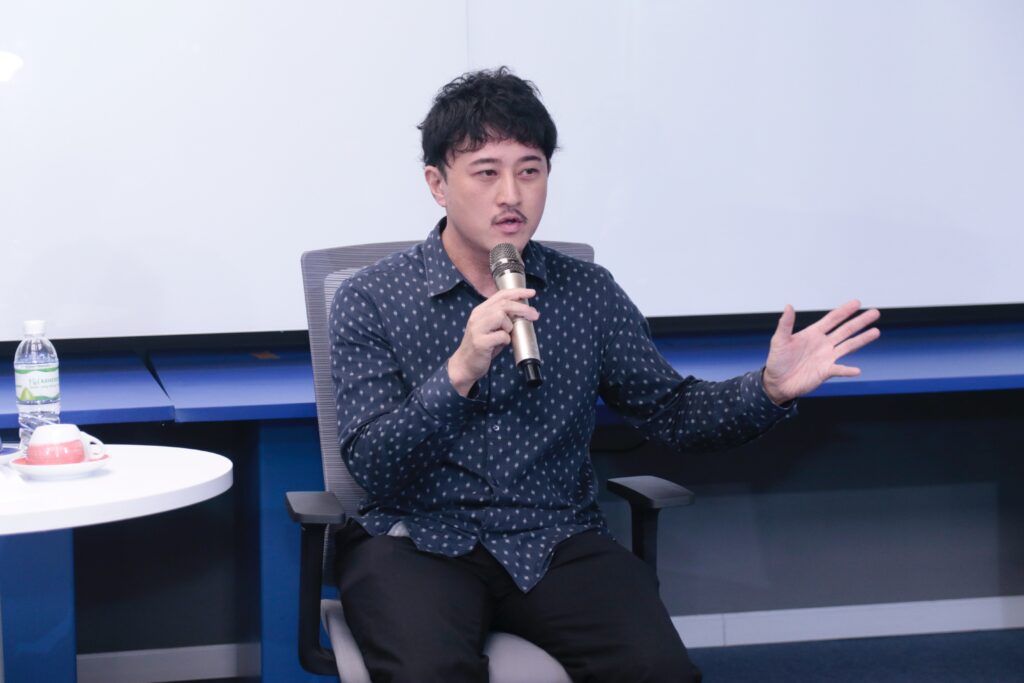
Zun: Many founders struggle with delegation and trust as their companies scale. How do you decide what to delegate, and how do you empower leaders to grow the organization?
Taku: Every founder has a different style—this is just mine. As a foreign founder, I knew from the beginning that I couldn’t do everything myself. That awareness forced me to build a strong team early.
We intentionally avoid hiring too many senior managers from large corporations, because adapting to startup speed and culture is often very difficult. Instead, we focus on developing younger talents internally and promoting them step by step.
What matters most is not just skills, but shared core values. That’s why we invest heavily in educating our team—not only professionally, but culturally.
Core values are only meaningful when they guide real decisions, not just words on the wall.
Zun: Core values seem to play a central role at Kamereo. How have they evolved over time, and how do they support governance and integrity?
Taku: Our core values are simple: integrity, teamwork, and continuous improvement (kaizen). We use them as concrete evaluation criteria—for performance reviews, salary discussions, and daily feedback.
Governance doesn’t always require complex systems. For us, consistency is the system. If someone doesn’t share our values, we cannot work together—no matter how talented they are.

Discipline in leadership means knowing which decisions you can delegate—and which you must own.
Zun: Discipline is often associated with Japanese leadership. From your personal experience, what does discipline mean to you as a founder?
Taku: Discipline, for me, is about responsibility. I delegate decisions where mistakes are acceptable—mistakes may cost money, but they shouldn’t kill the company.
However, decisions that determine whether the company survives or dies—that responsibility stays with me. A founder’s job is to keep making those decisions and owning the consequences.
Long-term motivation comes from solving a problem you truly care about.
Zun: As a final question, what advice would you give to early-stage founders who want to stay motivated over the long term?
Taku: If you want to build for the long term, you must choose an industry and problem that you genuinely care about. If you chase trends, you will eventually lose motivation.
I’m building Kamereo because it solves a problem I personally experienced. I understand it deeply, and I truly enjoy it. What keeps me going—especially on difficult days—is pride in what we’ve built, pride in our team, and pride in supporting thousands of businesses across Vietnam.
Summary:
Taku-san’s insights on building sustainable businesses and the organizations that support them were not merely ideals or abstract principles, but practical approaches rooted in making core values function deeply within the organization. Avoiding price competition and differentiating through value creation. Clarifying accountability. And operating the organization based on shared core values. All of these are key to sustainable growth. KAMEREO’s success in Vietnam demonstrates the importance of maintaining a long-term perspective and committing to solving fundamental problems.
Note: This report reflects information as of January 15, 2026.